
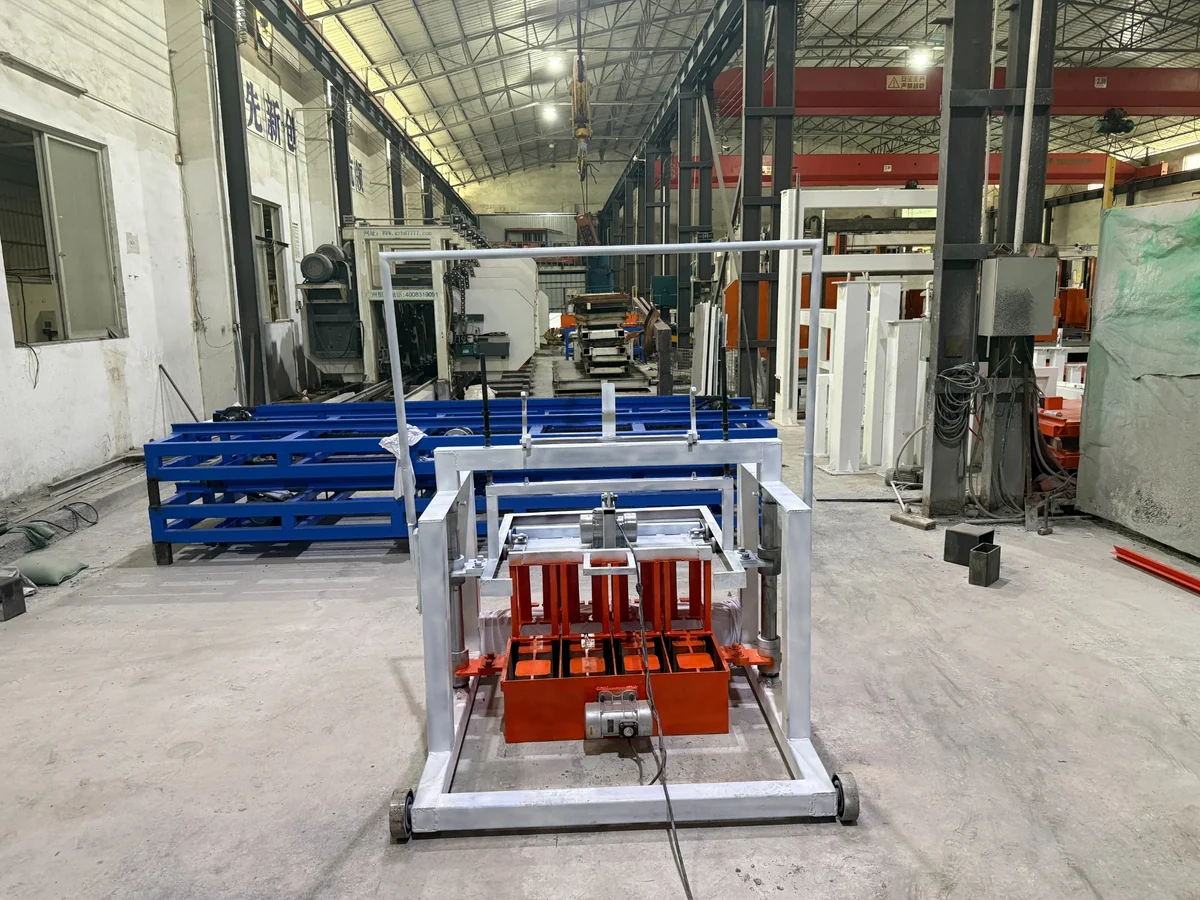
Do not select a machine’s electrical option by country name alone. The available supply and the equipment specification must be matched for the actual site. Gather the relevant information for the manufacturer and a qualified local electrician before the order is finalized.
Record the verified site supply
Ask the qualified person responsible for the site to confirm voltage, frequency, phase arrangement and the supply capacity available for the planned equipment. Keep a dated written record rather than passing an assumption through a sales conversation.
Photographs of existing equipment labels can provide context, but they do not replace an assessment of the intended installation. Do not open electrical panels or take electrical measurements unless qualified and authorized to do so.
Request the complete equipment requirements
Ask for electrical information for the whole supplied package, not just one motor’s nameplate. Request the machine diagram and the requirements for the mixer and any separate equipment. Identify components quoted as options so the final electrical review covers the version being ordered.
Have the manufacturer and electrician address starting conditions, protective devices, earthing and installation requirements. This article does not specify cable sizes, breaker ratings or connection methods; those depend on the equipment, installation and applicable rules.
Clarify alternative power arrangements
If a generator or other supply arrangement is proposed, have it evaluated with the actual equipment specifications. Do not choose it by adding rated motor power values alone or by copying a recommendation for a different model.
For engine-powered variants, request the manufacturer’s operating and service requirements for that specific package. An alternative drive option does not automatically remove the need for electrical review of other equipment on the site.
Agree documentation and installation responsibilities
Confirm which diagrams, manuals and identification labels will accompany the machine. Ask who performs installation, verification and operator handover, and what preparations the buyer must complete. Keep these responsibilities in the project checklist.
HSE’s work-equipment guidance stresses suitability and competent use. Use that principle when discussing installation, while applying the requirements relevant to your own location. Do not treat an export sales description as proof of local electrical compliance.
Send a structured information sheet
| Information | Responsible confirmation |
|---|---|
| Site voltage, frequency and phases | Qualified site electrician or relevant provider |
| Complete equipment requirements | Machine and accessory manufacturers |
| Installation and protection | Qualified local installation designer |
| Alternative supply | Manufacturer and qualified electrical reviewer |
| Handover documents | Supplier and project lead |
A clear information exchange before purchase is preferable to discovering a mismatch during unloading. Keep the final electrical specification attached to the order, and request written review whenever a power option or supporting machine changes.
Discuss your requirements
Review our hollow block equipment range and contact Hendely Block Machine with your block drawing, machine details and project location. Ask for written confirmation of the configuration that applies to your project.
WhatsApp: +86 13434875018 · Email: megabusinessolution@gmail.com
Technical reading
UK HSE: Providing and using work equipment safely. These references provide background; the approved machine manual and applicable project requirements remain controlling.
Editorial archive: week of 15 June 2026. Prepared and reviewed on 14 October 2026. This is a practical planning guide, not a record of a customer visit or a historical machine test.