
Hollow Block Molds: 6 Details to Confirm Before Ordering

Before ordering a hollow block mold, confirm the finished block drawing, machine interface, cycle assumptions, quotation scope and acceptance checks.
 hendelyadmin
Before ordering a hollow block mold, confirm the finished block drawing, machine interface, cycle assumptions, quotation scope and acceptance checks.
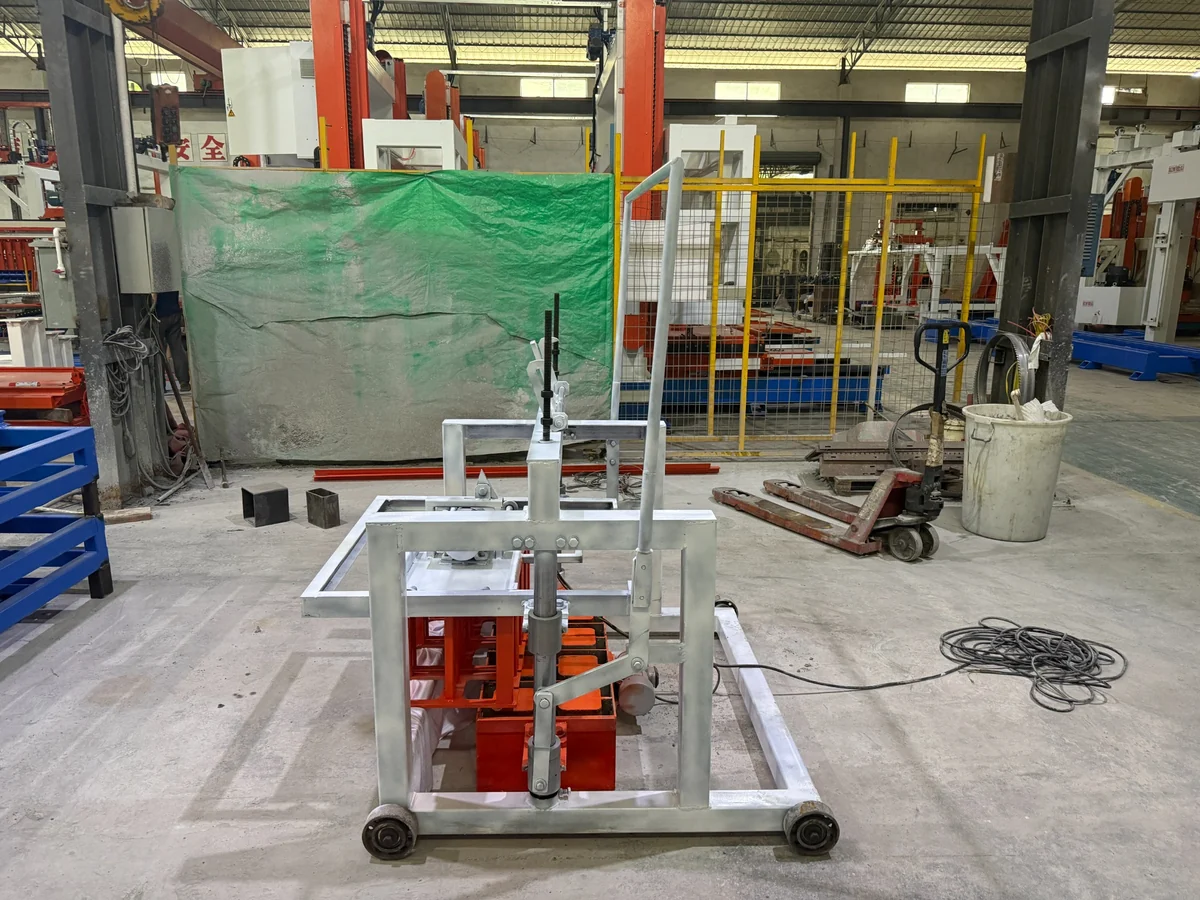
Use shift records to find whether mixing, forming, handling, curing or dispatch limits accepted block output before planning an equipment upgrade.

Define cleaning responsibilities, safe isolation, approved methods and handover checks for a block machine without inventing maintenance settings.
Prepare machine identifiers, component references and clear photos before requesting spare parts; appearance alone does not establish interchangeability.

Show the machine identity, complete sequence and specific symptom in a safe, unedited support video, with batch details and original operating speed.

Create a practical production log connecting materials, machine and mold details, sample checks, interruptions and accepted block quantities.
Prepare clear block sample measurements with drawing references, labeled directions, sample IDs and agreed checks for a useful supplier review.
Collect batch, mold-position and handling evidence when blocks have chipped edges; avoid blaming one component or changing several settings without a plan.
Track mold identity, approved inspection points, sample changes and maintenance history without inventing universal wear limits or service-life claims.
Identify an existing machine and its mold interface before ordering replacement tooling; similar block sizes do not establish mechanical compatibility.