
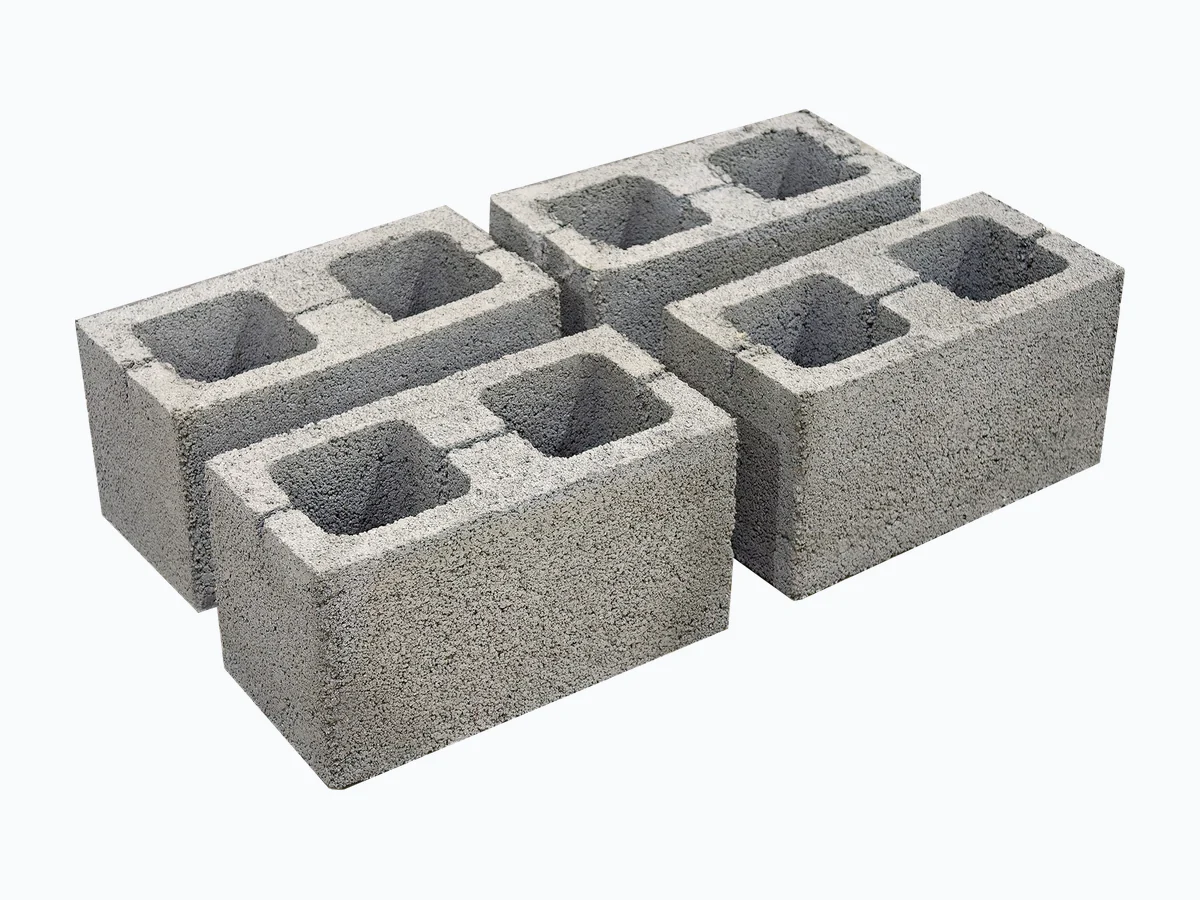
Useful sample measurements need a clear reference. A supplier cannot interpret “the block is too small” without knowing which direction, which sample and which drawing requirement is being compared. Prepare a measurement sheet that allows another person to understand the result without seeing the block in person.
Start with the agreed product drawing
Identify the approved drawing number and revision, units and any specified acceptance requirements. Confirm whether the values describe nominal product names or actual finished dimensions. Do not compare a measured unit with a commercial size label alone.
CMHA’s unit-size guidance distinguishes nominal and specified dimensions. Use the requirement applicable to your block and project rather than importing an allowance or tolerance from a different market.
Label samples before measurement
Give each sample an ID linked to its batch, machine, mold and relevant production record. Note the stage or age at which it is being reviewed and the condition required by the agreed measurement procedure.
Do not mix blocks from different batches into a single unlabeled photograph. If samples have been selected for a particular concern, state the selection method and ask the responsible quality person whether additional sampling is needed.
Use defined directions and measurement points
Label length, width, height, openings and the walls that separate openings on a sketch. Ask the supplier or testing professional to confirm the appropriate tools and points for the required checks. A diagonal photograph of a tape measure may be useful context but is not a precise record on its own.
Keep the instrument, method and units consistent. Note uncertainty rather than rounding a questionable result until it appears to match the drawing. This article does not prescribe a laboratory test procedure.
Report individual results, not just an average
Retain the measurements for each identified sample and position. An average without the individual observations can hide a pattern relevant to mold setup or handling. Let the technical reviewer decide what the pattern means.
Separate dimensional observations from appearance and performance requirements. A block that matches an outside size has not thereby passed strength, absorption or other specified tests. CMHA provides a separate resource on sampling and testing masonry units.
Build a readable measurement record
| Field | Example of a useful entry |
|---|---|
| Reference | Approved drawing and revision |
| Sample | Batch-linked sample ID |
| Direction | Labeled length, width, height or wall location |
| Result | Individual value, units and measurement method |
| Evidence | Photo and any formal test-report reference |
Send the full sheet with a small set of clear photographs. It will usually support a more productive discussion than a long message containing unlabeled measurements and compressed images from several different batches.
Discuss your requirements
Review our hollow block mold information and contact Hendely Block Machine with your block drawing, machine details and project location. Ask for written confirmation of the configuration that applies to your project.
WhatsApp: +86 13434875018 · Email: megabusinessolution@gmail.com
Technical reading
CMHA: Concrete masonry unit shapes, sizes and properties · CMHA: Sampling and testing concrete masonry units. These references provide background; the approved machine manual and applicable project requirements remain controlling.
Editorial archive: week of 31 August 2026. Prepared and reviewed on 14 October 2026. This is a practical planning guide, not a record of a customer visit or a historical machine test.