
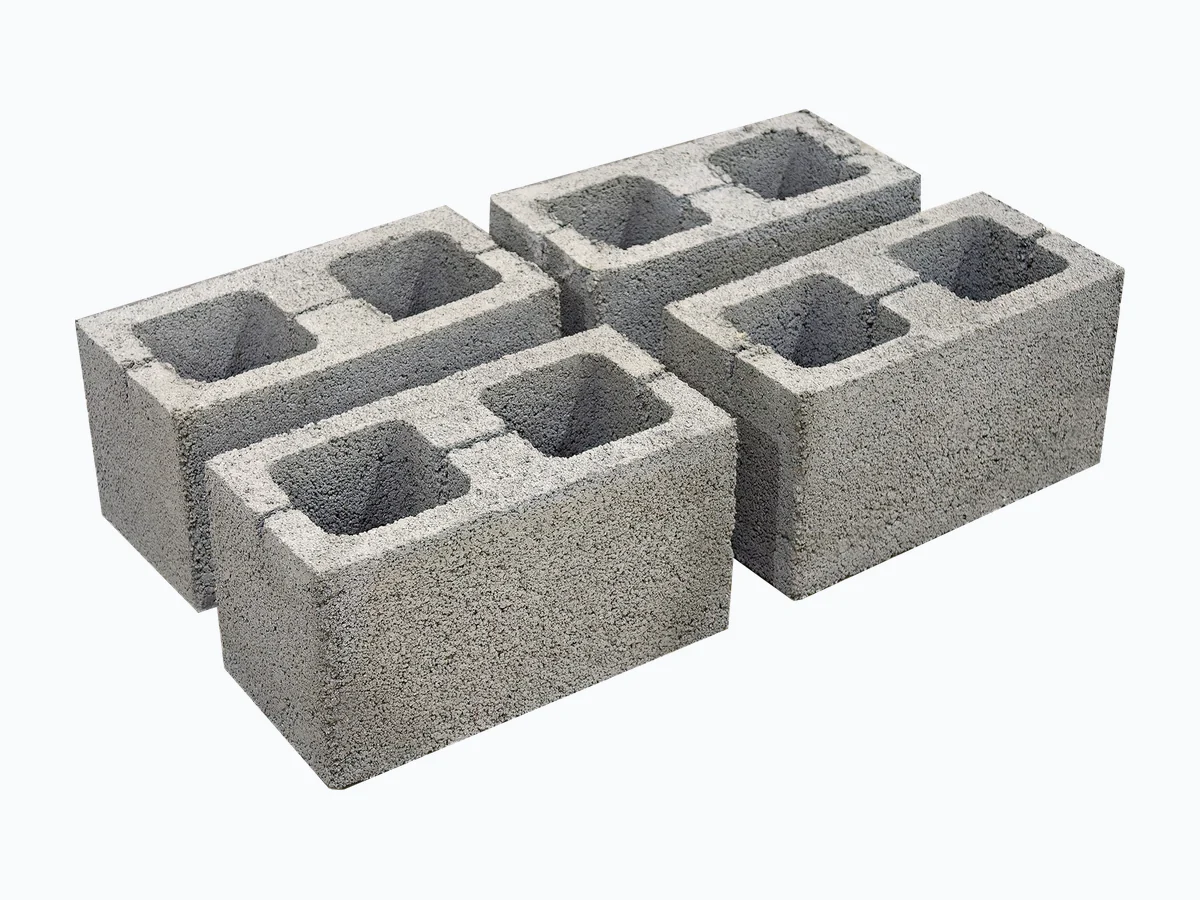
A chipped edge is an observation, not a diagnosis. Before changing a mix or adjusting the machine, find out when the damage first appears and whether it follows a repeatable pattern. A structured record gives a technician more to work with than a photograph of one damaged block.
Identify the first stage where damage is visible
Check the available records from forming, stripping, initial handling and later movement. Observe from safe positions without reaching into the equipment or interrupting a protected sequence. Ask whether the edge was intact at an earlier recorded stage.
Do not recreate a suspected defect by bypassing guards or intentionally running equipment in an unsafe condition. Where a fault could indicate a hazard, stop the affected operation under the site’s procedure and obtain qualified advice.
Keep sample and mold-position information
Assign a sample ID and record the batch, machine, mold and cavity or position where practical. Photograph the affected edge from consistent views. Include a scale for reference when safe, but do not mistake an approximate photo measurement for a formal dimensional check.
Separate isolated damage from a repeating location across several samples. That pattern can help guide investigation, but it does not by itself establish which component or process variable caused the issue.
Record recent changes
Note material-source changes, approved recipe revisions, mold changes, maintenance and handling changes. Include the timing of each change relative to the observed defect. Avoid adjusting several things together without an agreed test plan.
Write down what has already been tried and the outcome. Otherwise the support team may repeat an unsuccessful trial or compare samples that were produced under different conditions without realizing it.
Review acceptance separately from troubleshooting
Agree which products must be held pending investigation and which checks determine acceptance. CMHA’s sampling and testing resource explains formal test methods for masonry units; a visual record alone should not be used to certify strength or overall compliance.
Have the responsible quality person and technician decide what further checks are needed. Do not dispatch held products because a later photograph looks better or because an unverified explanation sounds plausible.
Send a focused support package
| Evidence | What makes it useful |
|---|---|
| Defect photographs | Identified block and consistent viewpoints |
| Process observation | First stage where damage is visible |
| Batch details | Materials and approved recipe reference |
| Equipment details | Machine, mold and position |
| Change history | What changed, when and the recorded outcome |
Ask the technician to propose the next controlled check and its acceptance criteria. This keeps troubleshooting focused and helps avoid replacing a part merely because it is the most visible item near the damaged block.
Discuss your requirements
Review our manual hollow block machine information and contact Hendely Block Machine with your block drawing, machine details and project location. Ask for written confirmation of the configuration that applies to your project.
WhatsApp: +86 13434875018 · Email: megabusinessolution@gmail.com
Technical reading
CMHA: Sampling and testing concrete masonry units. These references provide background; the approved machine manual and applicable project requirements remain controlling.
Editorial archive: week of 24 August 2026. Prepared and reviewed on 14 October 2026. This is a practical planning guide, not a record of a customer visit or a historical machine test.