
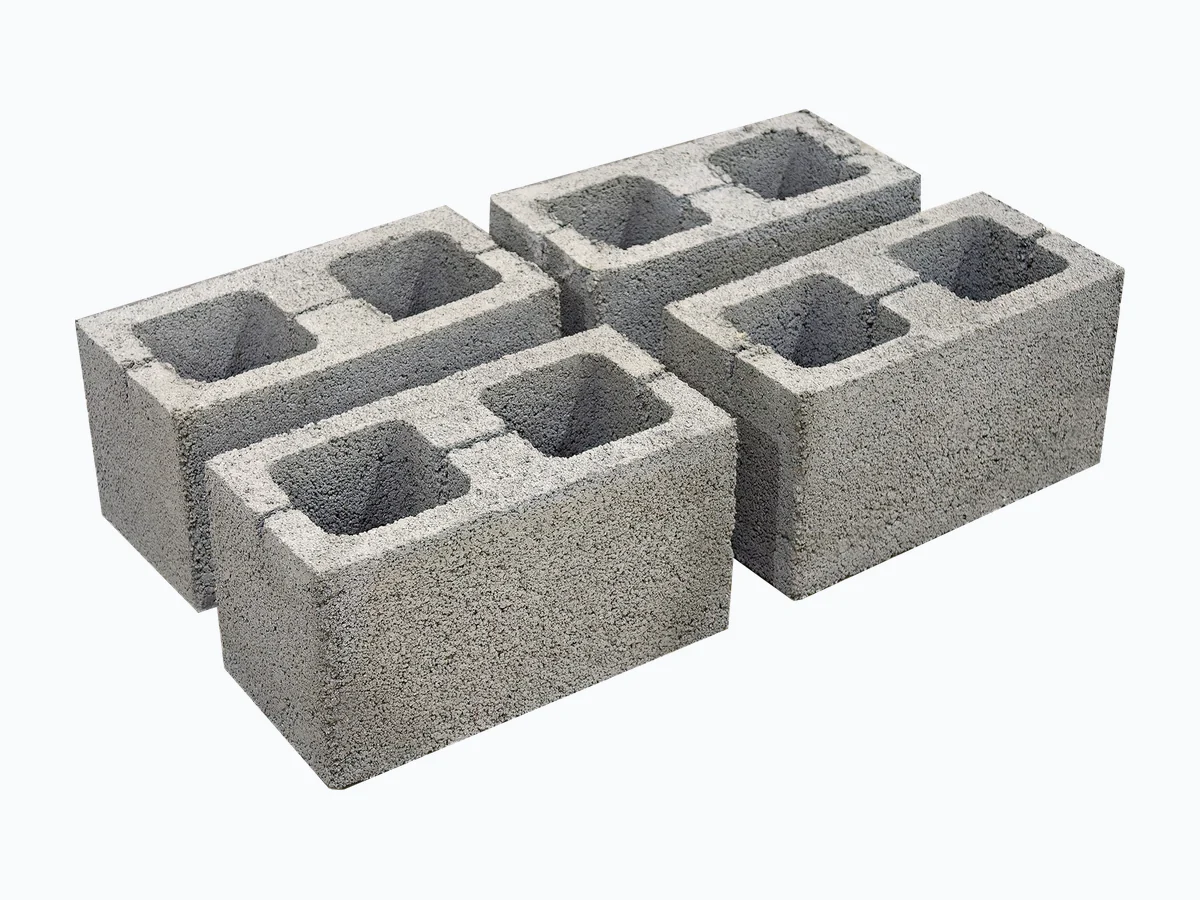
A request for a “6-inch block” may not describe the finished dimensions the buyer expects. Before ordering a hollow block mold, separate the commercial or nominal size from the actual dimensions on the approved drawing. Put units and measurement points in writing so that the supplier is not asked to guess.
Understand the naming issue
Nominal masonry dimensions can include an allowance associated with the wall module, while specified dimensions describe the unit itself. CMHA explains this distinction in its guide to concrete masonry unit sizes. That does not mean one allowance should be applied to every country, brick type or project.
Ask your customer, designer or local specification to identify the required finished unit. Do not automatically add or subtract a mortar joint because another supplier’s catalogue uses a familiar-looking number.
Label length, width and height
Provide three clearly identified dimensions and a sketch showing the orientation. Different drawings can arrange these values in different orders. A number written as “400 × 200 × 200” is less useful than a labeled drawing stating what each direction means and which unit is being used.
Where a sample block is available, photograph the measuring tool positioned against the relevant faces. Treat those photographs as supporting information, not a substitute for an agreed drawing and tolerance requirements. Mark uncertain measurements for review.
Describe the openings and walls
Two blocks with the same external dimensions can have different opening shapes or internal wall arrangements. Show the number and location of openings, outer wall thickness, internal walls and any special end details. Confirm whether the drawing depicts a top view, side view or section.
Have an appropriately qualified person confirm structural or code-related requirements. A mold supplier’s ability to make a shape does not establish that the finished unit is approved for a particular wall or load-bearing application.
Make acceptance measurable
Ask how the agreed dimensions will be checked and at what stage the samples will be measured. Identify the tools, recording format and requirements that the parties will use. Do not insert a universal tolerance copied from an unrelated model.
Keep the sample identification and drawing revision together. When a dimension changes, issue a new revision and ask the supplier to acknowledge it. A conversation containing several unlabeled sketches is a poor manufacturing instruction.
Prepare a complete specification sheet
| Field | What to write |
|---|---|
| Product name | Local commercial description, for reference |
| Finished dimensions | Labeled length, width and height with units |
| Internal geometry | Openings, walls and orientation |
| Acceptance basis | Applicable specification and agreed checks |
| Revision control | Drawing number, revision and approval date |
The practical test is simple: could someone who was not in the sales conversation identify the same finished block from your documents? If the answer is no, clarify the specification before requesting a final mold price.
Discuss your requirements
Review our hollow block mold information and contact Hendely Block Machine with your block drawing, machine details and project location. Ask for written confirmation of the configuration that applies to your project.
WhatsApp: +86 13434875018 · Email: megabusinessolution@gmail.com
Technical reading
CMHA: Concrete masonry unit shapes, sizes and properties. These references provide background; the approved machine manual and applicable project requirements remain controlling.
Editorial archive: week of 23 March 2026. Prepared and reviewed on 14 October 2026. This is a practical planning guide, not a record of a customer visit or a historical machine test.