
Block Machine Capacity: From Blocks per Cycle to Saleable Shift Output
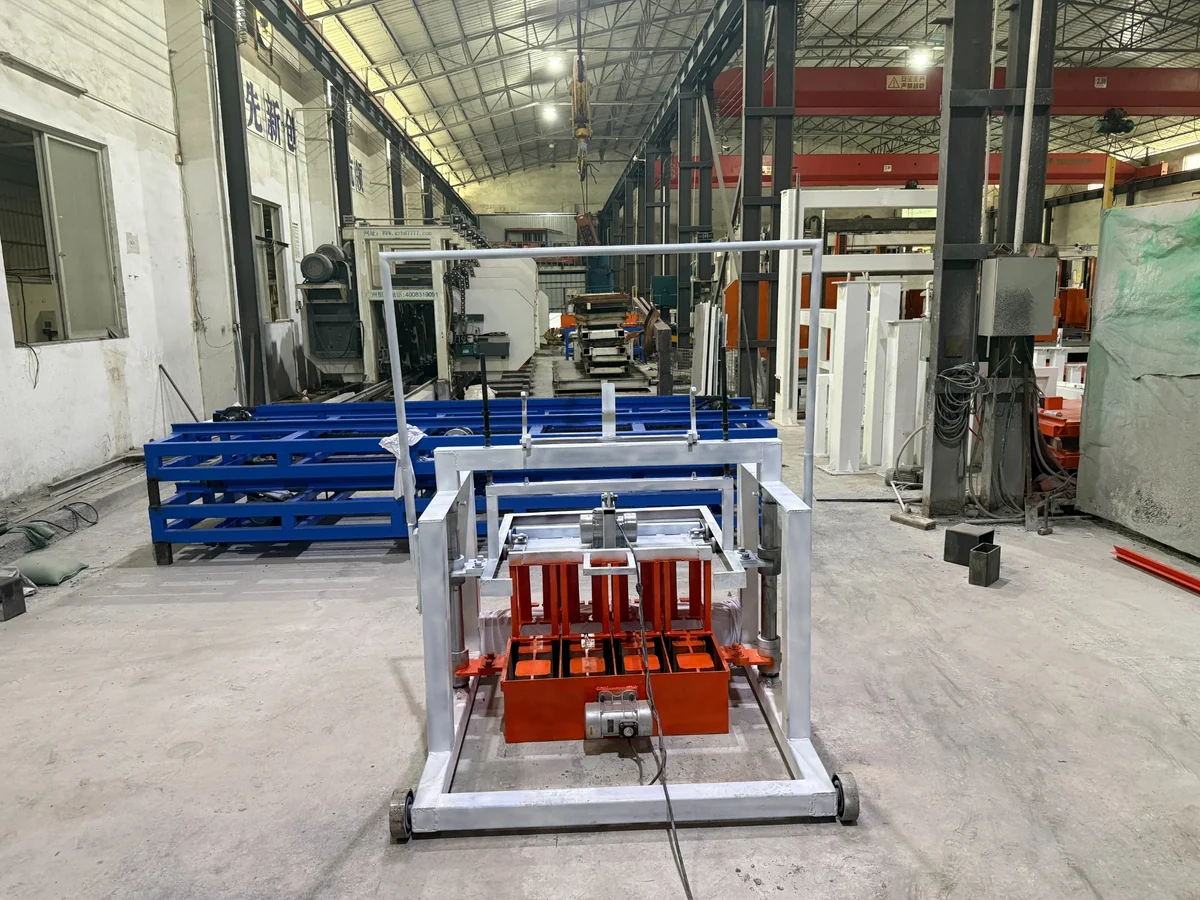
Separate theoretical cycle capacity from accepted shift output using a clearly defined block drawing, working time, interruptions and reject allowance.
 hendelyadmin
Separate theoretical cycle capacity from accepted shift output using a clearly defined block drawing, working time, interruptions and reject allowance.
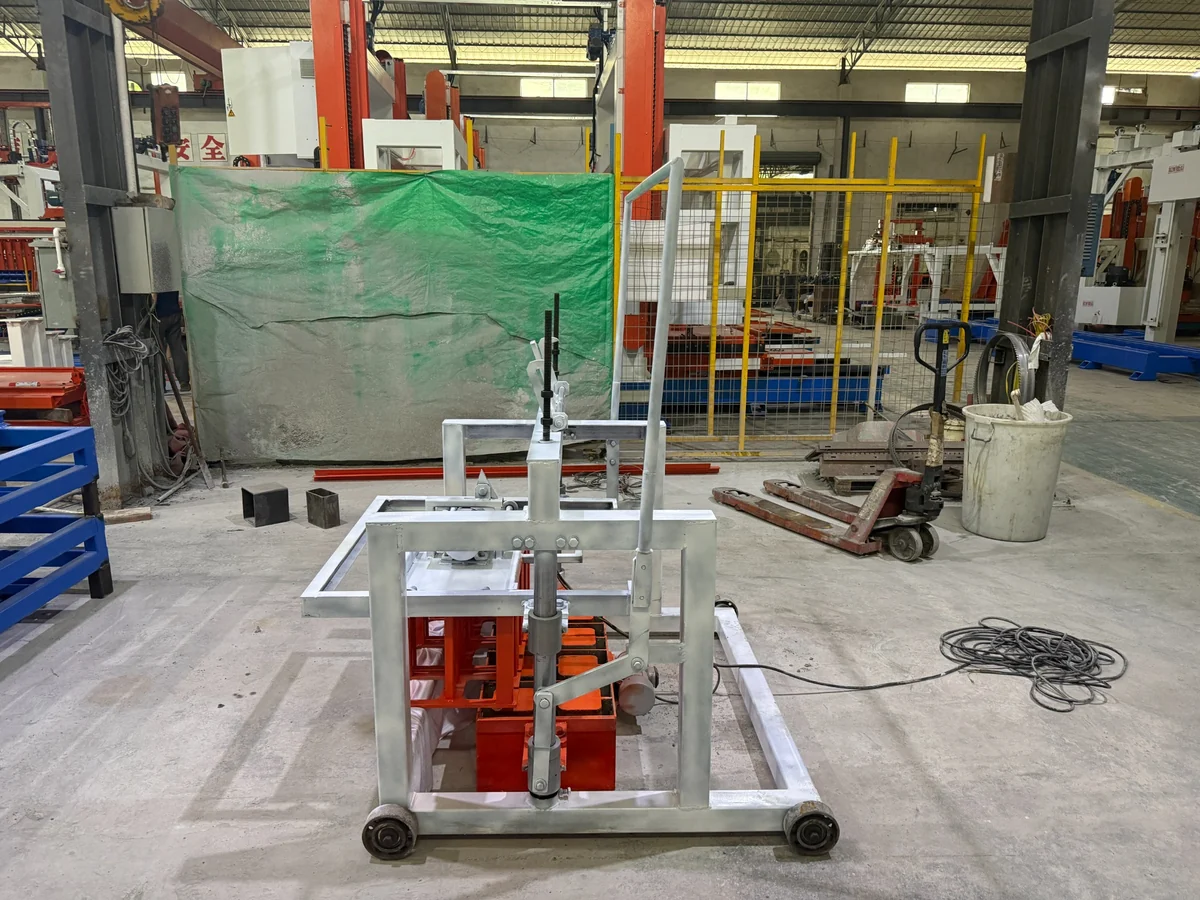
Plan curing and product-holding space from a documented process and release criteria, not a generic promise that every block is ready the next day.
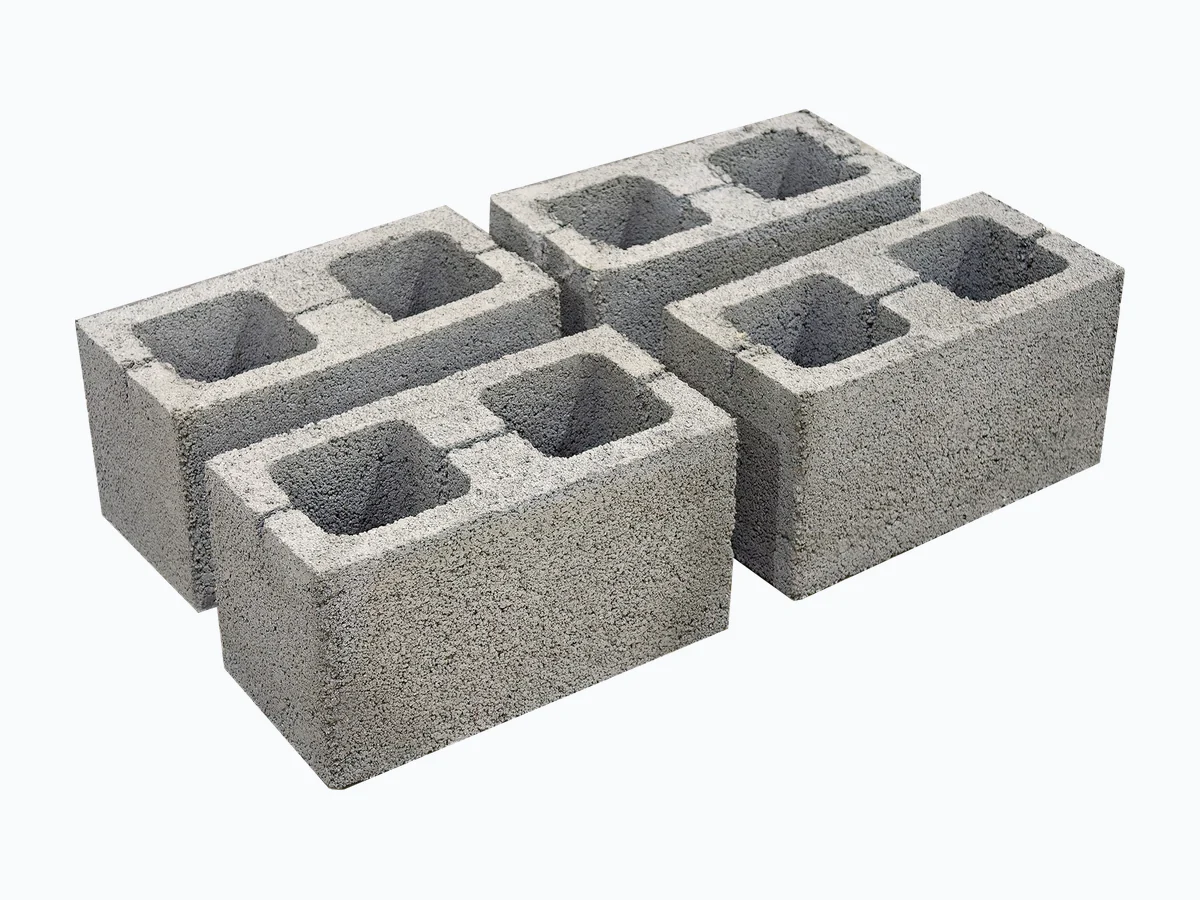
Track aggregate condition, water additions and approved recipe changes so hollow block trial results can be compared across batches.
Prepare traceable cement and aggregate information for a block-making trial, with sample identification, agreed tests and clear limits on the result.
Plan a small block yard around material supply, forming, curing, finished stock and safe access rather than the machine footprint alone.
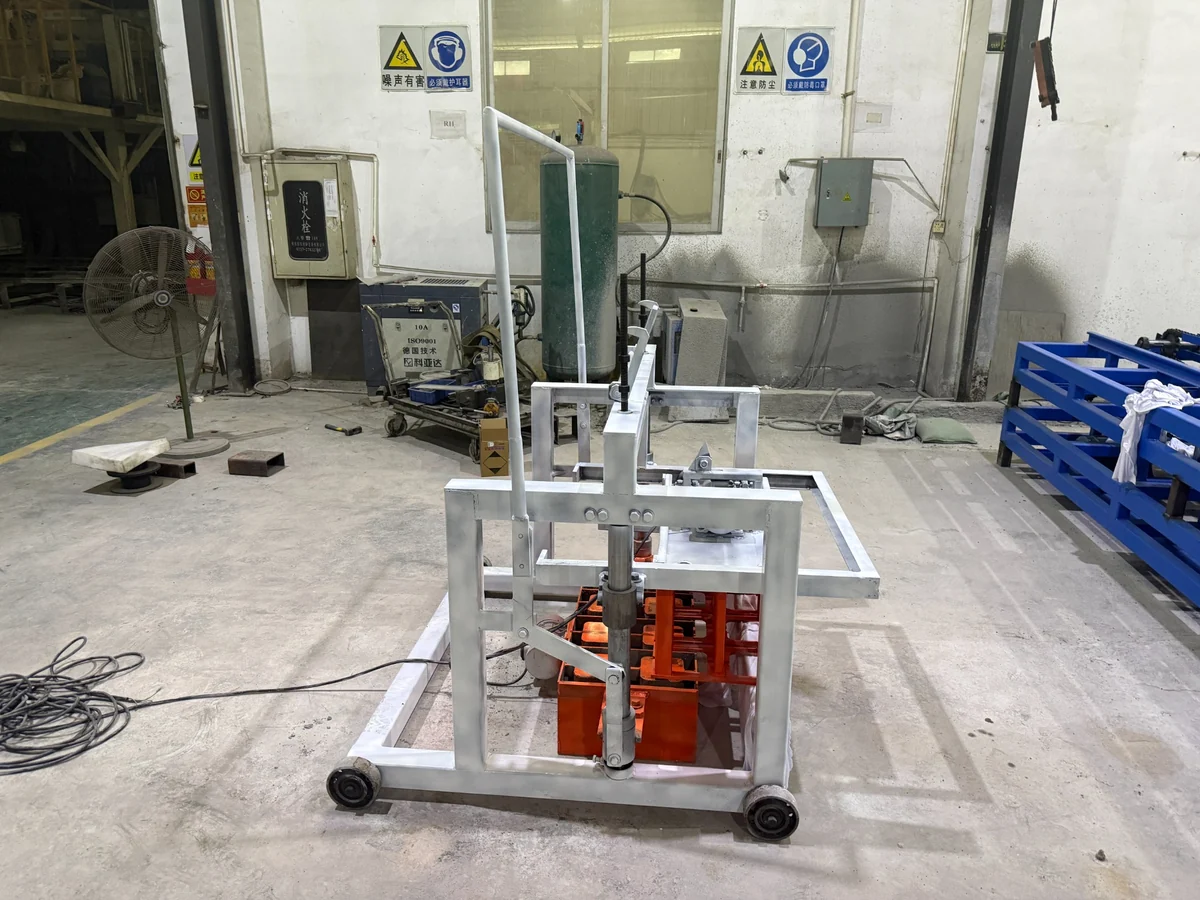
Compare forming supports, working surfaces, handling, storage and return cycles before choosing a pallet-based or pallet-free block production workflow.
Compare usable batch output, mixing and transfer time, and the block machine demand before choosing a mixer for hollow block production.
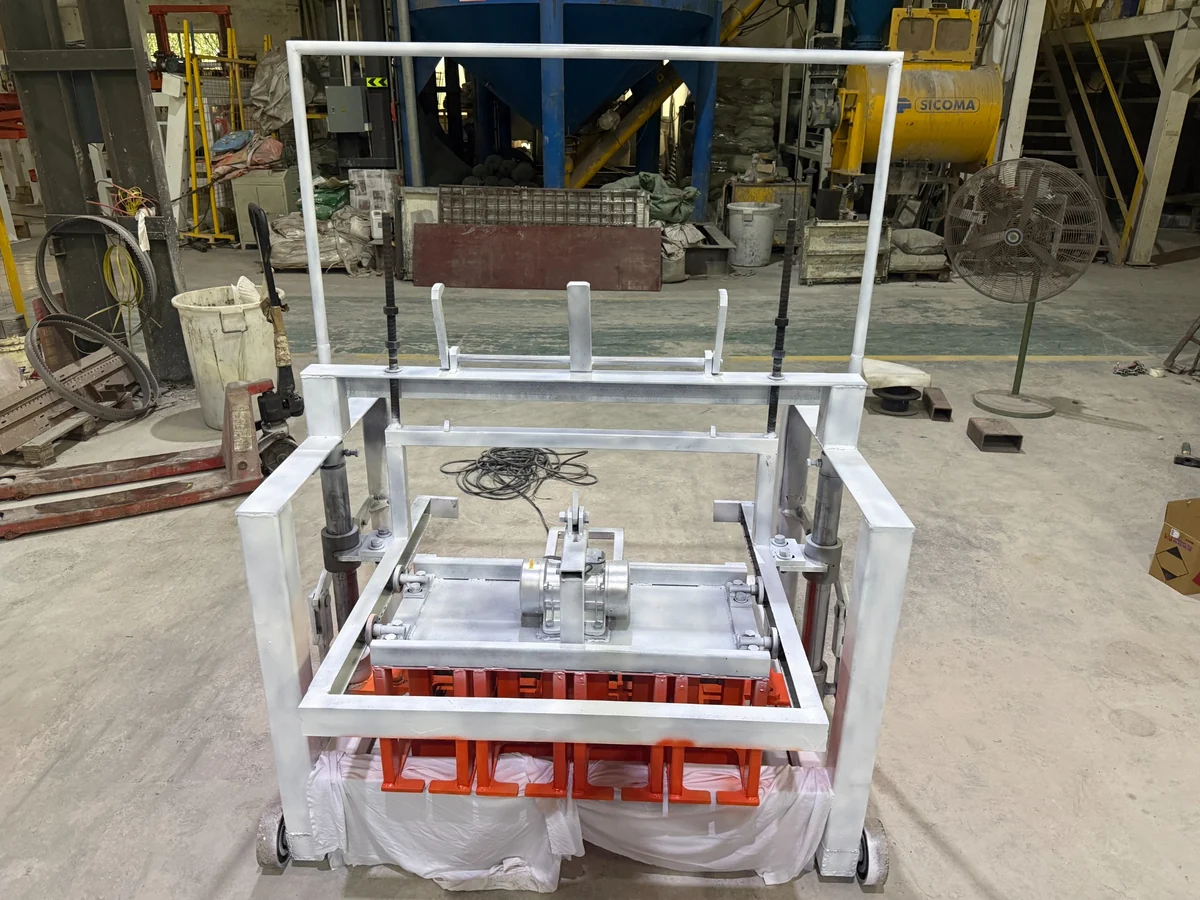
Use drawing numbers, revisions and a clear approval record to prevent misunderstandings when ordering or changing a hollow block mold.
Ask the right questions before assuming one block machine can make hollow blocks, solid blocks and pavers with a mold change alone.
Avoid mold-order errors by specifying actual block dimensions, measurement units, hole layout and the approved drawing rather than a nominal size alone.