
Preparing Raw-Material Samples for a Hollow Block Machine Trial

Prepare traceable cement and aggregate information for a block-making trial, with sample identification, agreed tests and clear limits on the result.
Practical hollow block machine and mold selection guides.
Prepare traceable cement and aggregate information for a block-making trial, with sample identification, agreed tests and clear limits on the result.
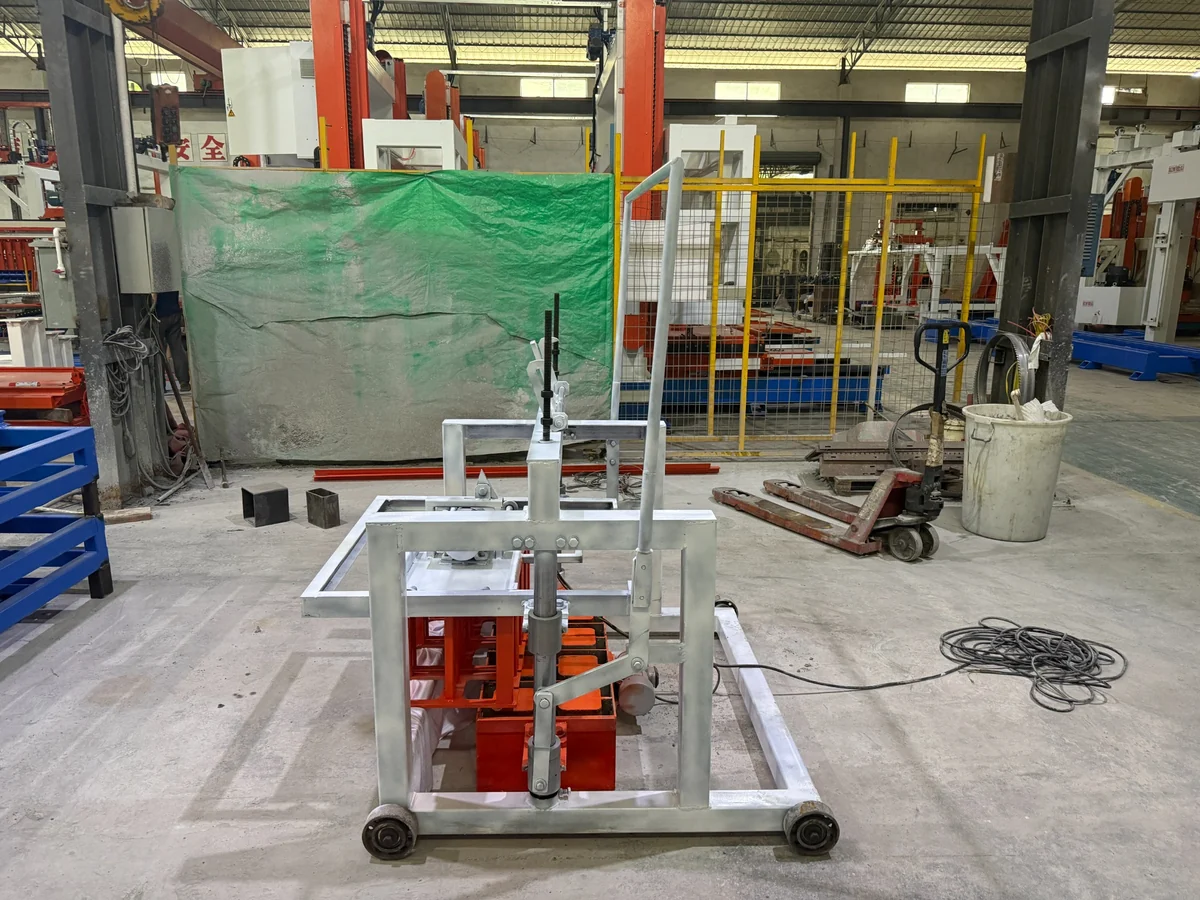
Plan a small block yard around material supply, forming, curing, finished stock and safe access rather than the machine footprint alone.

Compare forming supports, working surfaces, handling, storage and return cycles before choosing a pallet-based or pallet-free block production workflow.
Compare usable batch output, mixing and transfer time, and the block machine demand before choosing a mixer for hollow block production.

Use drawing numbers, revisions and a clear approval record to prevent misunderstandings when ordering or changing a hollow block mold.
Ask the right questions before assuming one block machine can make hollow blocks, solid blocks and pavers with a mold change alone.
Avoid mold-order errors by specifying actual block dimensions, measurement units, hole layout and the approved drawing rather than a nominal size alone.

Compare manual and semi-automatic hollow block machines by feeding, forming, handling and operator tasks rather than relying on an automation label.
Separate the machine footprint from working space, service clearance and shipping size before choosing a hollow block machine for your site.
Learn what to ask about a mobile hollow block machine: forming position, machine travel, ground requirements and a complete operating demonstration.